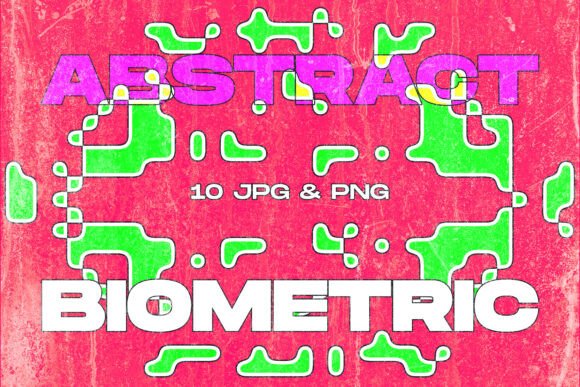
Modern Aesthetics: Leveraging Biometric Abstract Backgrounds
In the current landscape of digital design, static imagery often struggles to hold attention. We are seeing a distinct shift toward organic, fluid forms that mimic the complexity of nature and technology combined. This is where the Biometric Abstract Background finds its place. It is not merely a decorative element; it is a strategic design asset that communicates modernity, experimentation, and a futuristic sensibility. For designers, marketers, and content creators looking to elevate their visual language, understanding how to utilize these abstract biometric shapes is crucial for creating compelling narratives.
The Visual Language of Organic Geometry
When we talk about a Biometric Abstract Background, we are referring to a specific aesthetic that bridges the gap between the natural and the artificial. Visually, these assets are characterized by high-contrast colors, textured details, and a unique silhouette that defies standard geometric constraints. Unlike rigid grids or predictable patterns, biometric shapes feel alive. They possess a fluidity that suggests movement and growth, making them ideal for projects that need to convey innovation.
The personality of this style is bold and experimental. It appeals to an audience that appreciates cutting-edge design, making it a perfect fit for industries like tech, music, fashion, and modern art. The texture within these backgrounds adds depth, preventing the design from looking flat or generic. This tactile quality draws the viewer in, encouraging them to look closer at the details. Whether used as a standalone graphic element or a layered accent, the visual impact is immediate and arresting.
Strategic Applications: Where Biometric Assets Shine
The versatility of a Biometric Abstract Background allows it to function across a wide array of mediums. It is not limited to one specific niche; rather, it serves as a versatile foundation for various creative endeavors. Understanding where these assets work best can help you maximize their potential and ensure your projects resonate with your target audience.
Digital Presence and Branding
For entrepreneurs and small business owners, establishing a recognizable brand identity is paramount. Incorporating biometric elements into your logo design or website header can set you apart from competitors using standard stock imagery. In web design, these shapes can be used as hero section backgrounds or subtle accents that guide the user's eye. They work exceptionally well for brands that want to appear innovative and forward-thinking.
On social media, attention is the currency. Social media graphics featuring these abstract shapes tend to stop the scroll. The high-contrast nature of the pack ensures that text overlays remain legible while the background adds energy to the post. This is particularly useful for Instagram stories, LinkedIn banners, or Facebook ads where visual noise is high.
Editorial and Print Media
In the realm of editorial design and packaging design, texture is a powerful tool. A Biometric Abstract Background can transform a flat magazine cover or product box into a tactile experience. Because the provided assets are high-resolution (4500 × 3000 px at 300 DPI), they are perfectly suited for print. You can scale them for large-format posters or album covers without losing quality. The organic forms provide a sophisticated backdrop for typography, allowing serif or sans-serif fonts to pop against the complex shapes.
Design Principles: Hierarchy, Contrast, and Integration
Using abstract assets effectively requires a grasp of visual hierarchy. A Biometric Abstract Background is visually dense; therefore, it demands careful handling of foreground elements. The goal is to create a composition where the background supports the message rather than competing with it.
One practical approach is to use the transparent PNG files as overlays. This allows you to layer the biometric shapes over solid colors or photography, creating a custom texture that is unique to your project. By adjusting opacity or blending modes, you can create subtle depth that enhances brand perception without overwhelming the viewer. This technique is invaluable for creating a consistent visual system across different platforms, ensuring that your brand looks professional whether viewed on a mobile screen or a printed flyer.
Furthermore, consider the psychological impact. The futuristic feel of these shapes suggests progress and agility. For a startup or a tech company, using these assets can subconsciously reinforce the idea that the brand is cutting-edge. For musicians or artists, it adds a layer of avant-garde coolness that aligns with creative experimentation.
Practical Guide to Implementation and Asset Management
Adopting new design assets into your workflow should be seamless. The collection of 10 abstract biometric shapes included in this pack offers variety without decision fatigue. However, to get the most out of them, a strategic approach to implementation is necessary.
Evaluating Fit and Font Pairing
Before applying a Biometric Abstract Background, assess the tone of your project. Does the subject matter call for a futuristic, experimental vibe? If you are working on a legal document or a traditional heritage brand, this style might feel incongruent. However, for tech, lifestyle, or entertainment sectors, it is a perfect match.
When it comes to typography, contrast is your friend. Because biometric shapes are organic and complex, they pair exceptionally well with clean, geometric typefaces. A modern sans serif font often works best to maintain readability against the textured background. If you need to convey elegance, a sharp serif font can provide a nice counterpoint to the abstract forms. Avoid using overly decorative script fonts or handwritten fonts over these backgrounds, as the visual complexity can make the text difficult to decipher.
Technical Workflow
The inclusion of both JPG and PNG formats offers significant flexibility. Use the JPGs when you need a full-bleed background that sets the entire mood of the canvas. Use the PNGs with transparent backgrounds when you want to isolate specific shapes to act as frames or decorative accents. For instance, you could use a biometric shape to frame a quote or highlight a specific product feature in a brochure.
When preparing files for print, ensure your color mode is set to CMYK, though the high-contrast nature of these assets usually translates well from screen to paper. For digital use, RGB is standard, and the vibrant colors will shine on high-definition displays.
Conclusion
The Biometric Abstract Background is more than just a trend; it is a versatile tool for modern visual communication. By integrating these shapes into your creative font projects, motion graphics backgrounds, or brand identity