The Guinea Bissau Bissa Flag: A Dynamic Design Asset for Visual Storytelling
In the world of digital design, authenticity is the currency that buys engagement. We have all seen the flat, static vector graphics that populate slide decks and websites, but there is a growing demand for assets that mimic the tactile quality of the real world. When you are looking to evoke a sense of place, culture, or movement, a generic icon often falls short. This is where the Guinea Bissau Bissa Flag comes into play, offering a stunning solution for creators who need realism. It is not just a digital image; it is a high-fidelity representation of a national symbol, captured with a level of detail that transforms standard projects into immersive visual experiences.
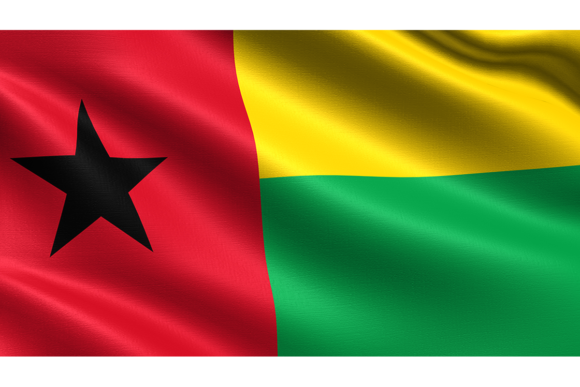
The specific asset we are discussing is a masterpiece of digital photography and rendering. It captures the vibrant red, yellow, green, and black colors of the Guinea Bissau flag, complete with the iconic black star. However, what sets this image apart is the highly detailed fabric texture. You can almost feel the weave of the material just by looking at it. The image depicts a beautiful flag blowing in the wind, creating a sense of dynamism and life. This movement is crucial for modern design; it suggests energy and relevance. Whether you are working on a motion graphics project where the flag needs to ripple naturally, or a static print document where depth is required, the realism of this asset is unmatched.
Elevating Brand Identity with Realistic Textures
For the marketer, entrepreneur, or brand strategist, visual consistency is paramount. When building a brand identity that involves cultural elements or international themes, the quality of your design assets speaks volumes about your professionalism. Using a low-resolution or artificial-looking flag can make a brand appear cheap or careless. Conversely, integrating this realistic flag into your materials signals attention to detail. It works exceptionally well for businesses with ties to Guinea Bissau, cultural organizations, travel agencies, or news outlets covering West African affairs.
Consider the impact on social media graphics. In a fast-scrolling environment, you have milliseconds to capture attention. A flat graphic might be ignored, but the intricate shadows and highlights of a waving fabric create a focal point that draws the eye. The Guinea Bissau Bissa Flag image provides that "thumb-stopping" quality. Because the resolution is a massive 3840×2160px, it remains crisp even when cropped for different aspect ratios on Instagram, LinkedIn, or Twitter. This versatility ensures that your web design and social presence look cohesive and high-end.
Technical Specifications: Why Resolution and Format Matter
As a designer or content creator, you understand that the technical utility of an asset is just as important as its aesthetic appeal. This particular file comes in a .jpg format, which is the universal standard for photographic imagery. It ensures broad compatibility across virtually every piece of software you use, from Adobe Creative Suite to Microsoft Office. The file size is generally optimized for web use without sacrificing the visual integrity required for print.
The Resolution: 3840×2160px specification is a significant advantage. This is 4K Ultra High Definition. Why does this matter to you? It provides immense flexibility. You can use this image as a full-screen background of your own presentations without seeing a single pixel. If you are a publisher creating a magazine spread or a printer producing a brochure, the high DPI (dots per inch) capability of a 4K image ensures that the ink sits on the paper with clarity. For motion graphics artists, working with 4K footage allows you to pan and zoom (the Ken Burns effect) while maintaining 1080p output quality, giving you total creative control over the animation.
Practical Applications for Designers and Creators
The utility of the Guinea Bissau Bissa Flag extends across a wide spectrum of creative fields. It is a versatile design asset that adapts to the context in which it is placed. Here is how different professionals can leverage this image:
- Presentations and Corporate Reports: Use the flag as a semi-transparent watermark or a full background slide to introduce topics related to the region. It adds a layer of professionalism that plain backgrounds lack.
- Web Design: Integrate the image into hero sections or "About Us" pages for organizations with ties to the country. The movement of the wind-blown fabric adds a subtle animation feel even to static pages.
- Print Document and Packaging: The high resolution makes it perfect for large-format printing, such as event banners, posters, or product packaging that highlights origin or cultural pride.
- Digital Art and Composites: Hobbyists and digital artists can use the realistic texture to composite the flag into 3D renders, video game environments, or photomanipulations.
Integrating the Asset into Your Workflow
One of the best features of this asset is its ease of use. You do not need to be a 3D modeling expert to achieve realistic results. The image is ready to be dragged and dropped into your project. For those using presentation software like PowerPoint or Keynote, simply inserting the image as a background can instantly transform a mundane corporate deck into a visually engaging experience.
When using this in web design, consider the loading times. While the 4K resolution is excellent for quality, you may want to optimize the .jpg compression slightly if you are using it on a mobile-heavy site. However, for desktop viewing, the full resolution provides a stunningly sharp experience. If you are creating motion graphics in After Effects, you can use the high-contrast edges of the waving flag to create track points for other visual elements, or simply layer it over video footage to establish a setting.
Design Observations: Color and Texture
From a modern typography and design perspective, the color palette of the Guinea Bissau flag is bold and striking. The red, yellow, and green are high-saturation colors that demand a background or supporting design that complements rather than clashes. When pairing this image with text, ensure you use a typeface that stands out against the complex texture of the fabric.
A sans serif font with a heavy weight often works best for headlines placed over such detailed imagery, as the clean lines of the font contrast nicely with the organic folds of the flag. Avoid using script fonts or thin serif fonts directly on top of the busiest parts of the image, as the visual noise can reduce readability. Instead, use a solid color overlay or a drop shadow to separate your editorial design text from the background. This attention to visual hierarchy ensures that your message is communicated clearly while the flag provides the atmospheric context.
Ultimately, the Guinea Bissau Bissa Flag image is more than just a picture; it is a versatile tool. Whether you are a small business owner looking to add authenticity to your marketing, or a designer