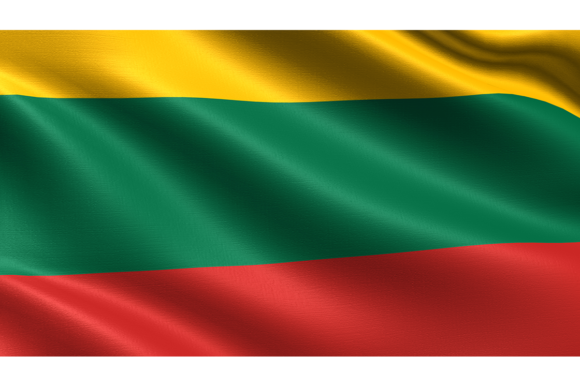
Lithuania Flag: Waving Fabric Texture for Dynamic Designs
There's a distinct difference between a flat, static image of a national symbol and one that feels alive. When you're building a brand, crafting a presentation, or designing digital content, authenticity matters. A standard clip-art flag often looks sterile and disconnected. What you need is a resource that conveys movement, pride, and tangible quality. This is where a high-resolution asset featuring the Lithuania Flag with a waving fabric texture becomes an indispensable part of your design toolkit. It isn’t just a picture; it’s a digital asset that captures the physical reality of cloth billowing in the breeze.
The visual personality of this asset is defined by its realism. We are talking about a 3840×2160px resolution—a true 4K standard—that reveals every fiber of the weave. The yellow, green, and red stripes of the Lithuanian tricolor are rendered with the depth and shadowing you would expect from a real flag. You can see the creases where the fabric folds, the subtle shifts in tone where light hits the material, and the natural drape of the textile. This level of detail transforms a simple graphic into a piece of immersive visual storytelling. It bridges the gap between digital design and the physical world, making it perfect for projects where you want to evoke a sense of national pride, heritage, or high-end quality.
Real-World Applications for Designers and Creators
Understanding the technical specs is one thing, but knowing how to apply them effectively is what separates a good design from a great one. This waving fabric texture is incredibly versatile, fitting seamlessly into various workflows.
For those involved in editorial design or publishing, this asset is a lifesaver for travel blogs, cultural magazines, or historical features. Instead of using a flat vector that might clash with the organic nature of a magazine layout, the fabric texture adds warmth and context. It pairs beautifully with both serif fonts for traditional, authoritative articles and modern sans serif fonts for sleek, contemporary travel guides. The texture provides a realistic backdrop that anchors the text, creating a sophisticated visual hierarchy.
In the realm of motion graphics and video production, the high resolution is critical. Because the image is 3840×2160px, you can animate it using parallax effects. You can zoom in to show the grain of the fabric or pan across the waving motion without losing clarity. This makes it an ideal background for news intros, YouTube video bumpers, or patriotic holiday greetings. It adds a layer of professionalism that static backgrounds simply cannot achieve.
Web design and social media graphics also benefit immensely. On a website, a hero image featuring the Lithuania Flag with this texture can immediately set the tone for a business that values its Lithuanian roots or serves the Lithuanian market. For social media, whether it’s a Facebook cover photo or an Instagram story, the realistic texture grabs attention more effectively than flat graphics. It feels tangible, which can increase engagement and make your content stand out in a crowded feed.
Integrating the Asset into Your Brand Identity
For entrepreneurs and small business owners, brand consistency is everything. If your brand has connections to Lithuania—perhaps you are a food importer, a cultural organization, or a tech startup with Lithuanian founders—incorporating this flag texture can strengthen your brand identity.
However, integration requires subtlety. You don’t want to overwhelm your logo design or primary messaging. Instead, use the waving flag as a secondary element. It works exceptionally well in the background of "About Us" pages, on company letterheads, or as a watermark on corporate presentations. The fabric texture adds a layer of trust and heritage without being aggressive. It suggests that the brand is established and grounded in tradition, yet modern enough to use high-quality design assets.
When considering packaging design for products exported from or inspired by Lithuania, this texture offers a tactile feel. Even though the package is printed on paper or cardboard, the visual representation of woven fabric implies quality and craftsmanship. It’s a psychological trigger; we associate fabric with warmth and durability, which can positively influence how a customer perceives the product inside.
Technical Excellence and Creative Flexibility
The utility of the Lithuania Flag waving texture lies in its adaptability. Because it is provided as a high-quality .jpg, it is compatible with virtually every design software on the market, from Adobe Photoshop and Illustrator to Canva and Figma.
Let’s talk about font pairing. When you place text over a textured background, readability is paramount. The waving nature of the flag creates areas of high contrast (highlights and shadows). A skilled designer will position text over the areas of the flag that are most uniform, usually the center of a fold where the color is consistent. For headlines, a bold, clean display font works best. The clean lines of a sans serif typeface will contrast nicely with the organic curves of the fabric. Avoid overly intricate script fonts or handwritten fonts for body text when overlaying on this texture, as the visual noise of the fabric can make small, swashy letters difficult to read.
Furthermore, this asset is perfect for creating mockups. If you are selling merchandise—like t-shirts, mugs, or tote bags—featuring the Lithuanian flag, you need a realistic representation of how that print will look on fabric. This texture provides a ready-made environment to showcase your products. It demonstrates to your customers exactly what they are buying, bridging the gap between the screen and the physical product.
Practical Considerations for Usage
Before you download and integrate, keep a few practical tips in mind to ensure the best results:
- Color Grading: While the asset provides the standard yellow, green, and red, don't be afraid to apply subtle color grading to match your specific brand palette. You can adjust the saturation or add a filter to ensure the flag complements your overall aesthetic rather than clashing with it.
- Cropping: The 16:9 aspect ratio (3840×2160px) is perfect for standard screens and presentations. However, if you are designing for print (like an A4 flyer) or social media (like a square Instagram post), you will need to crop the image. Plan your composition so that the most interesting part of the wave is preserved in your final crop.
- File Management: Because this is a high-resolution file, it will be larger in size than a standard web icon. Ensure your web developers optimize the image for faster load times if you are using it as a website background. Use modern formats like WebP where possible to maintain quality while reducing file size.
Ultimately, the Lithuania Flag waving fabric texture is more than just a decorative element. It is a versatile, premium tool that brings authenticity to your projects. Whether you are a marketer looking to connect with a Lithuanian audience, a designer building a culturally rich website, or a content creator