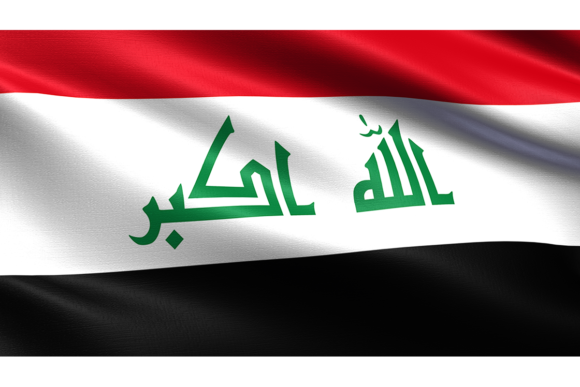
Iraq Flag Waving Fabric Texture: A Realistic Design Asset
Finding the right visual element for a presentation or marketing campaign often comes down to realism. We have all seen flat, lifeless vector graphics that fail to capture the energy of a subject. When you are working with national symbols, specifically the Iraq flag, you need an image that conveys motion and authenticity. A static image can feel sterile, but a beautiful flag blowing in the wind immediately creates a sense of atmosphere and context. This is where a high-quality Iraq Flag Waving Fabric Texture becomes an essential part of your design toolkit.
This asset is not just a simple picture. It is a highly detailed fabric texture designed to look like physical material. The image features the recognizable red, white, and black horizontal stripes with the green Arabic script in the center. However, unlike standard clipart, this version captures the folds, creases, and shadows of real cloth. The waving fabric texture mimics the physics of wind hitting a flag, creating natural peaks and valleys in the material. This level of detail brings a tactile quality to your screen. It feels tangible and grounded, which is crucial for professional applications.
Visual Characteristics and Realism
The primary strength of this asset lies in its realistic flag rendering. The resolution is a massive 3840x2160 pixels. This 4K quality means you can zoom in significantly without losing clarity. You can see the individual threads in the weave of the fabric. The lighting is consistent, highlighting the raised parts of the fabric and casting soft shadows into the folds. This creates a sense of depth that flat images simply cannot achieve.
The color palette is faithful to the actual flag. The red, white, and black bands are distinct, and the green script is centered correctly. The beautiful flag blowing in the wind effect adds movement to the composition. It draws the eye across the image, making it an excellent focal point for layouts. Whether you are using the Iraq Flag Waving Fabric Texture as a full background or a smaller element, the detail holds up. It blends the artistry of photography with the utility of a design asset.
Practical Applications for Creators
Understanding where to use this image is key to maximizing its value. Because the file is a high-resolution .jpg, it is versatile. It fits into workflows for print document creation, social media management, web design, and even motion graphics. Here is how different professionals can apply this asset.
For graphic designers and marketers, this image serves as a powerful backdrop. If you are designing a social media graphic for a national holiday or a cultural event, a textured background adds sophistication. Instead of a solid color block, use the waving fabric texture to add warmth and context. It works particularly well for Instagram stories, Facebook covers, or Twitter headers where visual impact is immediate.
Entrepreneurs and business owners dealing with international trade or cultural connections can use this in presentations. When pitching to clients or partners in Iraq, incorporating the flag shows attention to detail and respect. Using a realistic flag image rather than a low-quality icon elevates the professionalism of your slide deck. It signals that you care about the quality of your communication.
Publishers and bloggers can integrate the image into editorial layouts. Articles discussing history, travel, politics, or cuisine often require relevant imagery. A stock photo of a flag pole is standard, but a beautiful flag blowing in the wind with a distinct fabric feel offers a more artistic perspective. It can break up long blocks of text and provide a visual pause for the reader.
Integrating Texture into Brand Identity
In modern design, texture is often used to bridge the gap between digital and physical experiences. We spend so much time looking at backlit screens that tactile elements feel refreshing. The Iraq Flag Waving Fabric Texture introduces a human element. It reminds the viewer that flags are physical objects, sewn and raised by people.
When thinking about brand identity, consistency is vital. If your brand deals with cultural heritage, travel, or global news, your imagery needs to be consistent. Using a high-quality design asset ensures that your brand looks established. A pixelated or poorly cropped image can damage credibility. Conversely, a realistic flag with proper lighting and focus enhances trust. It suggests that your brand pays attention to the details.
Consider the mood of the image. The movement of the wind implies energy and dynamism. It is not a static symbol; it is alive. This is useful for brands that want to project vitality. Whether you are a small business owner creating flyers or a content creator editing a video, this energy translates to your audience. The texture adds grit and reality, preventing your design from looking too sterile or "corporate."
Technical Advantages for Digital Projects
The technical specifications of this file make it a reliable choice for demanding projects. The 3840x2160px resolution is the standard for 4K displays and video. If you are working in motion graphics, you can pan and zoom across this image without pixelation. This allows for the "Ken Burns effect" in video editing, where a slow zoom creates the illusion of motion in a still image. The waving fabric texture enhances this effect because the folds change as you zoom in, revealing new details.
For web design, the image size is large, so optimization is necessary. However, as a source file, it provides the highest quality material to work with. You can crop specific sections of the flag to use as background textures for buttons or hero sections. The highly detailed fabric texture can even be desaturated or blurred to create a subtle background that supports overlaid text without competing for attention.
For print document use, high resolution is non-negotiable. Printing requires 300 DPI (dots per inch) to look sharp. A 3840px wide image allows for a physical print width of about 12 inches at full quality. This makes it suitable for posters, flyers, brochures, and even small signage. The Iraq Flag Waving Fabric Texture will retain its sharpness on paper, ensuring your physical marketing materials look as good as your digital ones.
Creative Pairings and Layout Tips
When incorporating the flag into a layout, balance is essential. Because the image is detailed and has high contrast (red, black, white, and green), it is visually "heavy." If you place it behind text, you need to ensure readability.
- Overlay Techniques: Try placing a semi-transparent black or white overlay between the flag and your text. This dims the background slightly, allowing white or black text to pop. This is a common technique in editorial design and packaging design.
- Cropping: Don't be afraid to crop in tight. Focusing on just the white stripe and the green script, or just the red and black stripes, can create an abstract texture that is less literal but still evocative.
- Color Extraction: Use the colors from the flag—specifically the specific shades of red and green—to inform your typography and button colors. This creates a cohesive color palette that feels intentional.
This asset is also excellent for social media graphics. In a fast-scrolling environment, texture stops the thumb. A flat color might be ignored, but the realism of a beautiful flag blowing in the wind creates a tactile connection. It feels premium. Whether you are a hobbyist making a tribute post or a marketer running a campaign, this image provides the visual weight needed to stand out.
Conclusion
The Iraq Flag Waving Fabric Texture is more than just a picture of a flag. It is a versatile, high-resolution tool for visual communication. By combining realistic flag details with a highly detailed fabric texture, it offers a tactile, professional look that flat graphics cannot match. From print documents to motion graphics, this asset adapts to the needs of designers, marketers, and creators alike. It brings movement, depth, and authenticity to any project, ensuring your visuals are not just seen, but felt.