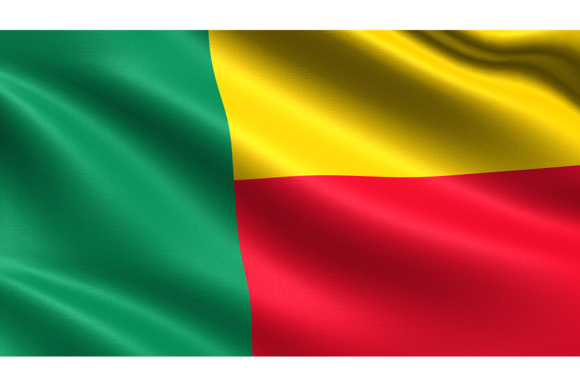
Benin Flag with Waving Fabric Texture: A Designer's Guide
When you need a national symbol to feel alive, a static image often falls short. The Benin Flag with Waving Fabric Texture solves this by presenting the nation's emblem not as a flat graphic, but as a piece of cloth caught in a breeze. This is a premium font of a different sort—a high-fidelity design asset that provides immediate depth and realism. The flag is rendered with meticulous detail, showing the natural folds, creases, and light play of a textured fabric, creating a beautiful flag blowing in the wind effect that commands attention.
This asset moves beyond basic logo design or simple illustration. It’s a textured typeface for visual storytelling. The green, yellow, and red vertical bands of the Benin flag gain a tangible, almost tactile quality. You can see the weave of the cloth in the highly detailed fabric texture. This level of realism makes it perfect for projects where authenticity and emotional resonance are key, such as editorial design for cultural publications, packaging design for heritage products, or social media graphics that celebrate national holidays or events. It instantly elevates a design from generic to specific, from flat to dynamic.
Where This Asset Shines: Real-World Applications
The practical value of the Benin Flag with Waving Fabric Texture lies in its versatility as a design asset. Its primary strength is context. It’s not just a creative font or a color palette; it’s a scene-setter. For web design, it can serve as a compelling hero image or a background element for sections about culture, travel, or history. The waving fabric texture adds movement, making a webpage feel more dynamic and engaging without requiring animation code.
For print document use, the high 3840×2160px resolution ensures crispness on everything from posters to brochures. Imagine it in the background of a presentation slide for a business proposal involving Benin, or as the cover for a research paper. In motion graphics, the texture provides excellent material for subtle parallax effects or as a base layer that adds organic feel. Entrepreneurs and small business owners with ties to Benin can integrate it into their brand identity materials, using it on business cards, letterheads, or website banners to communicate heritage and pride with professionalism.
Integrating the Asset: A Practical Approach
Using this asset effectively is about more than just dropping it into a file. Consider it a key component in your visual hierarchy. Its realism means it can dominate a composition. Pair it with clean, modern typography—a strong sans serif font for headings and a readable serif font for body text often works well. This contrast allows the textured flag to be the focal point while maintaining readability in your messaging.
When evaluating project fit, ask: Does this level of realism serve the story? For a formal corporate report, a flat vector might be more appropriate. For a cultural festival poster, an NGO campaign, or a travel blog, the waving fabric texture is ideal. It influences brand perception by adding a layer of authenticity and emotional weight. It shows attention to detail and a commitment to quality, which can enhance audience engagement.
Always test your font pairings and color overlays carefully. The flag’s colors are vibrant, so ensure your text remains legible. Using a semi-transparent overlay or placing text on a solid section of the flag can help. Finally, review the licensing for your intended use—whether for a personal project or a commercial one—to ensure full compliance. This asset is a tool for connection, a way to bring the spirit of Benin into your work with respect and striking visual clarity.